Open your potential with a free Alpha Brain trial!
Introduction. How to Tune Brain Waves to Alpha
In a world that never ever quits, where our minds are regularly racing to keep up with the needs of modern-day life, cognitive enhancement has actually ended up being a tempting mission. We’re all searching for that edge, that extra mental boost that pushes us to master our professions, studies, and daily obstacles. This pursuit has given rise to a fascinating realm of cognitive science and supplements, where the term “nootropics” preponderates.
Nootropics, often referred to as “clever medications” or “cognitive boosters,” have acquired enormous popularity for their possible to sharpen our psychological acumen and enhance our cognitive prowess. And amid this vibrant landscape, one name sticks out as a pioneer and frontrunner Onnit Alpha Brain. How to Tune Brain Waves to Alpha

Open your possibility with a completely free Alpha Brain trial run!
Revealing Onnit Alpha Brain.How to Tune Brain Waves to Alpha
Onnit Alpha Brain isn’t simply an additional product in the ever-expanding galaxy of nootropics. It’s a beacon of innovation, a testimony to the ruthless pursuit of optimum psychological performance. So, why the buzz around this cognitive enhancer, and what sets it apart from the remainder? In this thorough guide, we start a journey to reveal the complexities of Onnit Alpha Brain.
We’ll discover its significance in the nootropics market, explore its active ingredients, and examine its potential to open your mind’s real possibility.
Join us as we look into the heart of cognitive enhancement, discovering the globe of Onnit Alpha Brain and how it’s transforming the way we believe, concentrate, and overcome the difficulties of our fast-paced world.How to Tune Brain Waves to Alpha
What is Onnit Alpha Brain?How to Tune Brain Waves to Alpha
Background and Manufacturer:
Onnit Alpha Brain is the brainchild of Onnit Labs, a well-known firm in the realm of cognitive enhancement and alternative wellness. Established by Aubrey Marcus, Onnit Labs has carved its specific niche in offering a range of fitness items created to optimize human efficiency. Alpha Brain is among their flagship products, a testament to their devotion to opening the full capacity of the human mind.How to Tune Brain Waves to Alpha
Key Selling Points:
Proven Formula: Alpha Brain isn’t just one more mixture of untried components. It’s a thoroughly crafted mix of natural compounds, each chosen for its prospective to support cognitive feature.
Safe and Reliable: Safety and security is vital. Onnit Alpha Brain is produced in a certified facility, sticking to strict quality assurance criteria. This makes sure not only its safety however its effectiveness also.
The Stalwarts of Recognition:
On the planet of cognitive improvement, recognition speaks volumes. Alpha Brain has garnered the focus and recommendation of noteworthy numbers, including the distinguished Joe Rogan. His recommendation of Alpha Brain has actually provided it a significant boost in appeal.
Joining the Cognitive Elite:
Alpha Brain isn’t simply a supplement; it’s a movement. It’s a testament to the ever-evolving science of cognitive improvement and a pivotal gamer in this change. So, how did it acquire acknowledgment, and what makes it stand apart in a market overflowing with alternatives? Let’s explore further as we dive into the core of Alpha Brain’s formula, active ingredients, and possible advantages.
Kickoff your Alpha Brain experience with a no charge trial!
Ingredients of Onnit Alpha Brain.How to Tune Brain Waves to Alpha

Truth significance of Onnit Alpha Brain lies within its thoroughly picked ingredients. Allow’s start a journey with the key components of this cognitive booster.
1. Bacopa Monnieri: The Memory Mender
Bacopa Monnieri is an age-old herb known for its memory-boosting buildings. It sustains cognitive functions by boosting memory and reducing tension, making it a crucial element in Alpha Brain’s formula.

2. Cat’s Claw: The Brain’s Shield
This Amazonian creeping plant essence is a powerful anti-oxidant, securing your brain from free radicals and oxidative stress. It promotes a healthy neural environment for ideal cognitive feature.
3. Oat Straw: The Cognitive Fuel
Oat Straw is abundant in vitamins, minerals, and anti-oxidants, providing nutrition to the brain. It’s renowned for its possible to enhance psychological awareness and cognitive performance.

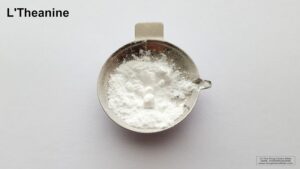
4. L-Theanine: The Calm Catalyst
L-Theanine is an amino acid found in tea leaves, prized for its relaxing effects. It promotes leisure without generating drowsiness, synergizing with other components for balanced cognitive improvement.
5. Alpha-GPC: The Neurotransmitter Dynamo
Alpha-GPC is a choline compound that plays a critical role in natural chemical production. It helps in boosting memory, finding out, and cognitive clearness.

6. Huperzia Serrata: The Memory Amplifier
Removed from the Huperzia plant, this component consists of Huperzine A, known for its duty in memory improvement and cognitive improvement.


These ingredients, thoroughly chosen and blended, operate in harmony to develop a cognitive enhancer that intends to unlock your mind’s real capacity. Allow’s explore just how each ingredient plays its component in boosting cognitive feature to new heights.How to Tune Brain Waves to Alpha
Does Onnit Alpha Brain Work?How to Tune Brain Waves to Alpha
The ultimate base test for any kind of cognitive booster is its efficiency in boosting psychological performance. Allow’s look into the science, individual experiences, and the tangible advantages Alpha Brain has to supply.How to Tune Brain Waves to Alpha
supplement developed to boost cognitive working in healthy adults, was checked out with a strenuous randomized, double-blind, placebo-controlled trial. The research included 63 treatment-naïve individuals aged 18 to 35 who underwent a 2-week placebo altercation before obtaining either Alpha BRAIN ® or a new placebo for a duration of 6 weeks. The individuals undertook a battery of neuropsychological tests at the beginning and end of the research study, concentrating on steps of delayed spoken recall and exec functioning, as well as rest patterns. The results exposed that Alpha BRAIN ® demonstrated considerable
enhancements in delayed spoken recall and exec operating compared to the sugar pill team. This study notes the very first randomized regulated trial of Alpha BRAIN ®, recommending encouraging outcomes; however, more study is called for to verify and increase upon these searchings for.
From the National Library of Medicine https://pubmed.ncbi.nlm.nih.gov/26876224/
User Testimonials:How to Tune Brain Waves to Alpha
The true measure of any product’s effectiveness lies in the experiences of its customers. Across the globe, people have shared their success tales with Alpha Brain. These firsthand accounts offer vital insights right into the item’s real-world influence.

The Tangible Benefits:
The appeal of Alpha Brain lies in the benefits it uses:
Enhanced Memory: Individuals report boosted memory recall and retention, making it an important possession for pupils and specialists alike.
Laser-Like Emphasis: Alpha Brain is known for sharpening focus and concentration, aiding in tasks that demand steadfast attention.
Psychological Clearness: Experience clearness of thought, improved problem-solving, and boosted cognitive dexterity.
Alpha Brain does not just assure cognitive improvement; it supplies on those promises. It’s the device that equips you to tackle life’s difficulties with undeviating psychological acumen. In the following area, we’ll explore the safety and security and safety measures to guarantee you make the most of this cognitive booster without concession.
Prospective Side Effects and Security.How to Tune Brain Waves to Alpha
Prior to diving right into any kind of cognitive improvement journey, it’s important to recognize prospective side effects and exactly how to utilize Onnit Alpha Brain securely.
Feasible Negative Effects:
While Onnit Alpha Brain is typically well-tolerated, some individuals might experience mild negative effects. These can consist of migraines, nausea, or digestive system pain. It is very important to recognize that private feedbacks can vary, and these effects are usually short-term.
Seek Advice From a Healthcare Specialist:
Before incorporating any kind of brand-new supplement right into your daily routine, it’s advisable to speak with a health care specialist, particularly if you have pre-existing medical conditions or are taking other medicines. Your healthcare provider can provide customized advice to guarantee security.
Tips for Safe Consumption:
- Comply with the suggested dose provided on the product label.
- Prevent surpassing the recommended daily consumption.
- Stay moisturized to enhance the impacts of Alpha Brain.
- Display your action and change dose as needed.
Safety must constantly be a concern. Understanding possible adverse effects and getting in touch with a medical care professional guarantees that you can take pleasure in the benefits of Onnit Alpha Brain without endangering your wellness. In the following section, we’ll explore just how Onnit Alpha Brain contrasts to various other cognitive enhancers, providing understandings into its distinct staminas.
Experience cognitive improvement-claim your absolutely free trial run now!
Just How to Use Onnit Alpha Brain.How to Tune Brain Waves to Alpha
Making best use of the advantages of Onnit Alpha Brain requires accuracy in its usage. Let’s check out the optimal method to include it into your everyday routine.
Clear Dosage Directions:How to Tune Brain Waves to Alpha
The recommended dosage of Onnit Alpha Brain is generally detailed on the product label. It’s important to adhere to these instructions. Typically, it’s advisable to take two capsules in the morning to kickstart your cognitive improvement trip.
Time It Right:
Early morning intake is often suggested to straighten with your body’s all-natural body clocks. This makes certain that you experience boosted emphasis, memory, and clarity when you need it most throughout the day.
Stay Constant:
Consistency is crucial to profiting of Onnit Alpha Brain. Develop a daily routine, and stick to it to permit your body to adapt and maximize its impacts.
Hydration Issues:
Proper hydration is important for cognitive function. Consuming an ample quantity of water can enhance the effectiveness of Onnit Alpha Brain.
By complying with these usage guidelines and embracing consistency, you’ll harness the complete capacity of this cognitive booster. In the following section, we’ll take a look at how Onnit Alpha Brain compares to its equivalents in the world of cognitive improvement.
Contrasting Onnit Alpha Brain to Alternatives
Nootropics can be found in all shapes and sizes, and it’s important to comprehend exactly how Onnit Alpha Brain sticks out in the middle of the group.How to Tune Brain Waves to Alpha
Alpha Brain vs. Comparable Nootropics:
One-of-a-kind Formula: Onnit Alpha Brain is differentiated by its exclusive blend of active ingredients. While lots of nootropics share usual components, Alpha Brain’s certain formula establishes it apart.
Security First: Onnit Labs focuses on security and quality control, making sure that Alpha Brain is generated in a qualified facility. This dedication to safety is an one-of-a-kind selling factor.
User-Backed: The wealth of individual testimonies and recommendations from renowned numbers like Joe Rogan talks volumes about Alpha Brain’s effectiveness and dependability.How to Tune Brain Waves to Alpha
Advantages of Onnit Alpha Brain:
Diverse Benefits: Alpha Brain provides a thorough range of cognitive benefits, ranging from memory enhancement to improved emphasis and psychological clarity.
Clinically Validated Ingredients: The essential parts of Alpha Brain are backed by clinical research, ensuring their effectiveness.
Quality control: Onnit Labs’ commitment to quality control makes certain that each dosage is consistent and risk-free.
Recognizing how Onnit Alpha Brain compares to its choices is essential when making a notified choice concerning your cognitive improvement trip. In the following area, we’ll check out user evaluations and experiences, offering real-world understandings into the product’s efficiency.
Where to Acquire Onnit Alpha Brain
To embark on your journey with Onnit Alpha Brain, you require to know where to locate this cognitive enhancer and potentially get the best bargains.How to Tune Brain Waves to Alpha
Authorities Website:
The official Onnit website is typically the most reliable source for purchasing Onnit Alpha Brain Right here, you can be guaranteed of product credibility and high quality. Furthermore, Onnit’s official site might use exclusive price cuts and promotions for new customers or faithful consumers.
Accredited Stores:
Some accredited sellers may bring Onnit Alpha Brain, providing hassle-free choices for purchase. It’s a good idea to verify the credibility and online reputation of the seller to guarantee you’re getting a genuine item.
Online Marketplaces:
Popular on the internet markets like Amazon may have Onnit Alpha Brain readily available for purchase. Nevertheless, workout caution when purchasing from third-party vendors, and review testimonials to ensure you’re getting a legit item.
Registration Services:
Onnit occasionally supplies registration services that can give routine deliveries of Alpha Brain at affordable rates. This alternative is convenient for those who plan to use Alpha Brain constantly.
Discounts and Promos:
Watch out for discount rates and promotions on the main site or with licensed merchants. These can give cost-efficient ways to begin your cognitive enhancement journey.
Choosing the appropriate area to acquire Onnit Alpha Brain is essential for making sure item authenticity and integrity. In the next area, we’ll end this ultimate guide, summing up crucial takeaways and the transformative possibility of cognitive enhancement with Onnit Alpha Brain.
User Reviews and Testimonials.How to Tune Brain Waves to Alpha

The real measure of a product’s worth lies in the experiences of those who have embraced it. Here, we share the voices of individuals who have journeyed with Onnit Alpha Brain.
Positive Experiences:
“Alpha Brain has transformed my workday. I can focus like never before and breeze through tasks.”
“Improved memory and mental clarity, which has been a game-changer for my studies.”
Balanced Perspectives:
“While I experienced a significant boost in focus, I did notice some mild initial headaches. However, they disappeared after a few days.”
“The effects of Alpha Brain were gradual, but I appreciate its subtlety. It helps me maintain a steady level of focus throughout the day.”
Negative Experiences:
“Unfortunately, Alpha Brain didn’t work for me. I didn’t experience any noticeable cognitive improvements.”
“I experienced digestive discomfort with Alpha Brain, which was a downside for me.”
These voices echo the real-world impact of Onnit Alpha Brain. As we end this ultimate overview, we’ll summarize key takeaways and reiterate the transformative potential of cognitive enhancement with Alpha Brain.
Final thought.How to Tune Brain Waves to Alpha
In this comprehensive guide to Onnit Alpha Brain, we’ve browsed with the complex globe of cognitive improvement and checked out the transformative capacity of this impressive nootropic.
Important Takeaways:How to Tune Brain Waves to Alpha
Onnit Alpha Brain, crafted by Onnit Labs, stands as a beacon of innovation in the realm of cognitive enhancement.
Sustained by clinical research study and customer testimonies, Alpha Brain provides substantial benefits, including enhanced memory, focus, and mental quality.
Safety and security and accountable usage are paramount; it’s recommended to speak with a healthcare expert prior to integrating Alpha Brain right into your routine.
By sticking to recommended dosage guidelines and preserving uniformity, you can maximize the capacity of Alpha Brain.
The Transformative Power of Cognitive Enhancement:
In today’s hectic world, the pursuit for cognitive excellence is more pertinent than ever. Onnit Alpha Brain provides a way to unlock your mind’s real capacity, equipping you to tackle life’s difficulties with unwavering psychological acumen.
Make an Enlightened Decision:
As you start your journey with Onnit Alpha Brain, we urge you to make informed choices. Examine your individual goals, get in touch with healthcare experts when required, and take into consideration the transformative capacity that cognitive enhancement can offer.
Alpha Brain isn’t just a supplement; it’s an essential to opening your cognitive possibility, and enhancing your focus, memory, and psychological clarity. It’s your key to a world of unlimited possibilities.
In your pursuit of cognitive excellence, may Onnit Alpha Brain be the important that unlocks the doors to your max capacity.How to Tune Brain Waves to Alpha
What to do next
As you start your trip to discover the limitless capacity of cognitive improvement with Onnit Alpha Brain, we welcome you to proceed your mission for understanding and optimization.
Check out Extra on Our Blog site:
For even more comprehensive details regarding nootropics, their advantages, and the ever-evolving globe of cognitive improvement, we encourage you to check out various other short articles on our blog site. Each article looks into unique aspects of cognitive performance, giving insights and guidance to improve your psychological acumen.
Stay Upgraded with the current Patterns:
To ensure you’re always well-informed about the most up to date nootropic fads, developments, and special deals, we welcome you to subscribe to our newsletter. Our newsletter is your portal to a world of cognitive quality, offering you the mains to open your complete possibility.
Your cognitive trip has actually only just begun, and we’re here to guide you every action of the means. Subscribe now and maintain pushing the limits of your mind.
Thanks for picking to optimize your cognitive possibility with us. Together, we’re getting to new elevations in the quest of excellence.
Experience cognitive improvement-claim your totally free trial right now!